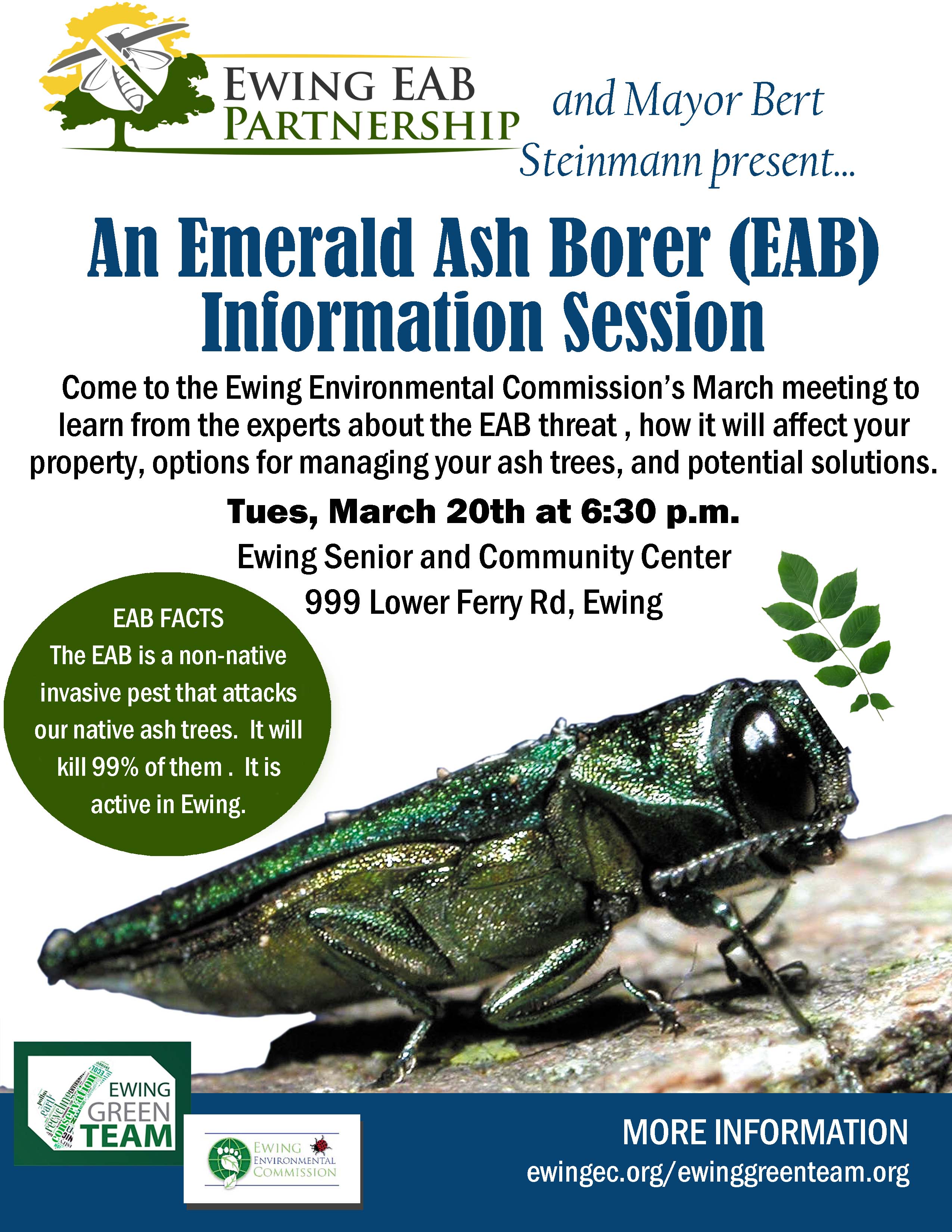
The Emerald Ash Borer information program that was originally scheduled for March 20th and cancelled for inclement weather, has been rescheduled for Tuesday, April 17th, beginning at 6:30 pm.
So don’t Kiss Your Ash Goodbye, but come to the Ewing Environmental Commission’s April meeting to learn from the experts about the Emerald Ash Borer (EAB) threat, how it will affect your property, options for managing your ash trees, and potential solutions.
The Emerald Ash borer has been found in Ewing Township. (See the Rutgers EAB Rapid Ash Survey Report and Management Options, Prepared for the Township of Ewing, Mercer County , NJ, By The Rapid Ash Survey Team (RAST) October 2015.) As this invasive pest can easily spread to neighboring trees, all residents should check their ash trees for symptoms of infestation.
“The emerald ash borer will kill 99 percent of all ash trees within the next few years,” said Bill Brash, the NJ State Certified Tree Expert with whom the EGT has been working about the EAB threat to the municipal tree canopy. “Residents should identify ash trees on their property and monitor for signs of damage or decline such as unusual woodpecker activity or missing bark.”
EAB Facts
Since the discovery of emerald ash borer in Michigan in 2002, the beetle has killed hundreds of millions of ash trees in North America. In May 2014, the New Jersey Department of Agriculture confirmed New Jersey’s first detection of the emerald ash borer in Bridgewater in Somerset County, NJ.
The emerald ash borer is a small, metallic green, non-native invasive pest. Trees can be infested for years before the tree begins to show symptoms of infestation. Symptoms include canopy dieback, woodpecker activity, missing bark, D-shaped exit holes, shoots sprouting from the trunk, and S-shaped larval galleries under the bark.
Ash Tree Management
If a tree is already infested or in poor health, it may be best to remove the tree before it becomes infested and poses a hazard to people and surrounding structures. But for those residents with high-value ash in good health, trees can be treated before they become infested.
A Certified Tree Expert can help residents evaluate, then treat or remove ash trees. Contact the Board of Certified Tree Experts at 732-833-0325 or njtreeexperts@gmail.com for a list of professionals serving your area.
Report any signs. If any signs of the EAB beetle are found, call the New Jersey Department of Agriculture at 609-406-6939. Visit http://www.emeraldashborer.nj.gov for more information and check out our own EAB resource page.
This program is being provided by the Ewing EAB Partnership, a coalition composed of Ewing Green Team and Environmental Commission members and representatives from Mercer County, Rutgers University and PSE&G under the direction of NJ State Certified Tree Expert Bill Brash. It is funded by a 2016 PSE&G grant Partnering for the Restoration of the Community Forest: The 3P Plan, Partnerships-Plan-Planting which funded development of partnerships to manage the spread and removals of trees infected with the Emerald Ash Borer on Ewing municipal lands.
Date: Tuesday, April 17th Time: 6:30 p.m. Location: Ewing Senior and Community Center, 999 Lower Ferry Road, Ewing Details: Free and open to the public. No registration is required. Additional Information: Contact EGT Chair, Joanne Mullowney at 609-883-0862 or email: ewinggreenteam@gmail.com
Did you know that the inappropriate or excessive use of artificial light, known as light pollution, can have serious environmental consequences for humans, wildlife, and our climate?
I got up in the middle of the night a few days ago and happened to look out the window and was almost blinded by the outdoor lights in a neighboring backyard. When did it become the norm to leave outdoor lights on through the night? Help make a difference. Turn out your lights and encourage your friends and neighbors to do the same. Join the Ewing Green Team in addressing this issue during International Dark Skies Week (April 15th – 21st) and every night and help to reclaim our nighttime heritage.
Why Light Pollution Matters
The nighttime environment is a crucial natural resource for all life on Earth, but the glow of uncontrolled outdoor lighting has hidden the stars, radically changing the nighttime environment.
Before the advent of electric light in the 20th century, our ancestors experienced a night sky brimming with stars that inspired science, religion, philosophy, art and literature. (Think of van Gogh’s Starry Night.)
The common heritage of a natural night sky is rapidly becoming unknown to the newest generations. In fact, millions of children across the globe will never see the Milky Way from their own homes.
We are only just beginning to understand the negative repercussions of losing this natural resource. A growing body of research suggests that the loss of the natural nighttime environment is causing serious harm to human health and the environment.
Light Pollution Threatens Wildlife
For billions of years, life has relied on Earth’s day-night rhythm to govern life-sustaining behaviors. It’s encoded in the DNA of all plants and animals. Humans have radically disrupted this cycle by lighting up the night. Research shows that artificial light at night has negative and deadly effects on many species.
Sea turtles live in the ocean but hatch on the beach at night. Hatchlings find the sea by detecting the bright horizon over the ocean. Artificial lights can draw them away from the sea, stranding them on land. In Florida alone, millions of hatchlings die this way every year. Many insects are drawn to light, but artificial lights can create a fatal attraction. Declining insect populations negatively impact all species that rely on insects for food or pollination. Nocturnal mammals sleep in the day and are active at night. Light pollution disrupts their nighttime environment.
Artificial lights also endanger many bird species. They can disrupt the migratory schedules of birds causing them to leave too early or too late in the season, missing ideal conditions for nesting. Birds that navigate by moonlight and starlight can wander off course. Millions die every year by colliding into illuminated buildings.
Light Pollution Threatens Human Health
Humans are not immune to the negative effects of light in their nighttime spaces. Excessive exposure to artificial light at night, particularly blue light, has been linked to increased risks for obesity, depression, sleep disorders, diabetes and breast cancer.
Light Pollution Wastes Energy and Money
In the U.S. alone, there are about 162 million public and commercial outdoor light fixtures including
45 million streetlights,
52 million parking-lot lights,
62 million lights on commercial buildings.
Residential outdoor lighting isn’t as bright, but there’s a lot more of it — about 1 billion light fixtures.
Lighting consumes lots of energy. In an average year in the U.S., outdoor lighting uses some 120 terawatt-hours of energy, mostly to illuminate streets and parking lots. That’s enough energy to meet New York City’s total electricity needs for 2 years! Excessive light at night causes light pollution and unnecessary greenhouse gas emissions, contributing to climate change.
So, let’s stop wasting so much energy! With so much lighting, even modest efforts to control outdoor lighting saves money, reduces carbon emissions, and helps the environment. We do need some light at night, but much of it is wasted by lights that are overly bright or left on when not needed. Unshielded fixtures waste the most energy. Their light shines upward, instead of down on the ground where it’s needed. At least 30% of outdoor light is wasted. That adds up to $3.3 billion and the release of 21 million tons of CO2 per year! To offset all that CO2, we’d have to plant 875 million trees annually.
But Don’t We Need Nighttime Lighting for Safety & Security?
There is no clear scientific evidence that increased outdoor lighting deters crime. It may make us feel safer but it does not make us safer. The truth is bad outdoor lighting can decrease safety by making victims and property easier to see.
Glare from overly bright, unshielded lighting creates shadows in which criminals can hide. It also shines directly into our eyes, constricting our pupils. This diminishes the ability of our eyes to adapt to low-light conditions and leads to poorer nighttime vision, dangerous to motorists and pedestrians alike.
What Can Be Done?
The EGT is regularly asked: “What can I do to make a difference?” Well, here is one way that you can make a contribution and the good news is that light pollution is reversible and its solutions are immediate, simple and cost-effective. Here are a few simple things you can do to confront the problem and take back the night:
Check around your home. Use only fully shielded, dark sky friendly fixtures for all outdoor lighting, so lights shine down, not up, to minimize “light trespass” beyond your property lines.
Use only the right amount of light needed. Too much light is wasteful, harms wildlife and creates glare.
Install timers and dimmer switches and turn off lights when not in use. If you must have security lighting, use motion sensors.
Use only lighting with a color temperature of 3000K and below. This means that there is less blue (cool) light that is more harmful to many animal species.
Talk to neighbors. Explain that poorly shielded fixtures waste energy, produce glare and reduce visibility. Work with your local governments to ensure outdoor lighting isn’t harming the wildlife in your area.
Become a Citizen Scientist with Globe at Night and document light pollution in your neighborhood and share the results. Doing so, contributes to a global database of light pollution measurements.
[Resources and background materials for this article come from The International Dark Sky Association, a 501(c)(3) non-profit organization based in Tucson, Arizona. For 25 years, it has advocated for the protection of the nighttime environment and dark night skies by educating policymakers and the public about night sky conservation and promoting environmentally responsible outdoor lighting. More information about IDA and its mission may be found at http://www.darksky.org.]
The Emerald Ash Borer presentation scheduled for Tuesday, March 20th has been cancelled due to impending snowstorm. It has been rescheduled for April 17th. Hope to see you then instead. In the meantime, stay safe and warm.
Get into green living on St. Patrick’s Day at the Mercer Green Fest. More than 100 ecofriendly businesses, organizations, and schools will be offering information and incentives to help you go green and save money at the Mercer Green Fest (formerly known as the Living Local Expo) on Saturday March 17, 2018 from 11 a.m. – 4 p.m. in the Rider University Student Recreation Center, which is located on the main campus, 2083 Lawrenceville Rd, Lawrenceville, NJ.
The Mercer Green Fest which promotes green living for Mercer County families, is presented by Mercer County Sustainability Coalition. All Mercer county residents are invited to join in on having fun going green! Bring the whole family and invite your neighbors. Wear green to the Mercer Green Fest on St. Patrick’s Day.
The fair is free and open to the public, rain or shine. Visitors can learn about a wide variety of sustainability issues and exciting community projects such as:
energy efficiency
21 electric car display so that you can inform your next car purchase.
health, exercise, and wellness
walking and bike trails
food waste recycling programs
science fair and robotics projects from area schools and groups
Featured Family Entertainment
Miss Amy, our local GRAMMY Nominated Artist Author/Educator, musician and Fitness Pro, will rock and roll with the kids at this year’s Festival from 11: 30 am -12:30.
Lyle Rowling, owner of Advanced Solar, AKA Solar Man will show kids how solar energy is made with a solar panel.
Local Food
An indoor farmers market will feature a great variety of locally produced fruits, vegetables, cheeses, and pickles as well as flowers, plants, herbs, and artisan food products. A family friendly lunch celebrating locally grown and seasonal ingredients from Terhune Orchards will be available for purchase all day.
Focus on the Arts
Art is an important part of a sustainable community! Everyone can have fun with our Craft Corner, designing creative art and crafts. Artists from Artworks Trenton will display works that are upcycled from trash. Demonstrations throughout the day will show visitors how to make their own upcycled art.
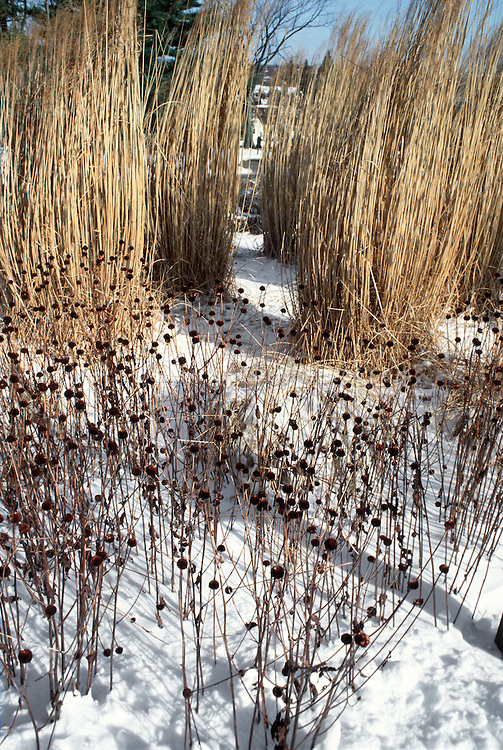
If you are gardening for wildlife you want to take it slow and safe during your spring garden cleanup. You resisted the urge in the fall to be overly tidy and kindly left stalks with dried flower heads and native grasses standing over the winter. (See The Ecological Benefits of the Not So Perfect Yard) This gift to the winter garden not only provided beautiful dried flower heads and grasses as contrast against the snow, but supplied food while sheltering many of this season’s spiders, moths and butterflies, caterpillars and more. Now the days are starting to warm up and you are anxious to get out and take a peek at spring’s bounty beginning to poke up thru the debris. So how soon is too soon to begin?
Gardening in the wildlife garden requires a change of mindset and a bit of patience while we wait for warmer weather to allow overwintering insects a chance to wake up from their winter nap and to move on. Our winter weather here the last couple of years has been extremely changeable. We have already experienced over 70° temperatures this season in February. Be prepared for those weather fluctuations and their impact upon your habitat garden. Wait for several 50° days to begin.
Of course, the best time to remove dried stalks and grasses is before it becomes difficult to remove them without damaging new growth. But be on the lookout for overwintering chrysalises, partially grown caterpillars curled up in leaves, or microscopic eggs on plant materials. I’ve started to remove dried flower stalks and grasses, but am leaving them lying about for a bit to give insects a chance to wake up and move on.
Raking leaves out of the beds is also a bit of a no-no as they still provide late winter/early spring protection and also will break down and build up your soil. I leave the as many of the leaves in my beds as undisturbed as possible while still being sensitive to the overall appearance of the garden, particularly near hardscaping. The leaves in the back of the beds will remain untouched but the top loose layer of those near the front will be collected and eventually chopped up (along with those dried flower stalks and grasses) and returned as mulch to the garden in another month or so. This is not the purist approach, but one that I can live with balancing the needs to protect wildlife while gardening in a residential neighborhood.
After that the bones of the garden are laid bare. Take your time with planting new plants and putting down mulch. Let your perennials emerge lest you dig up something you’ll regret. As the weather warms in April, it’s also a great time to tackle the weeds before they take over. Ground Ivy, Lesser Celandine and Bishop’s Weed are thugs in my garden. Try to get a jump on your garden thugs early.
Now’s the time to plan for a new garden, if you didn’t do it last fall. I’ve about run out of lawn to remove and plant, but please do it if you can. Lawn contributes little if anything of ecological value for the wildlife garden.
Spring is also a great time to take stock. What needs to be divided? What didn’t make it? What could be moved where? And, of course,what can I buy? As I am newer to gardening for wildlife, my garden still has a lot of exotics that don’t pull their weight and contribute to the food web. Little by little I am weeding out those non-contributors and adding native plants that do more for wildlife. If I see holes in my leaves and other imperfections, I am learning to look at them as not imperfections in an unsustainable goal, but rather as a way of providing life sustaining support for the myriad creatures in Mother Nature’s food web. As more than half of the world’s wildlife has vanished since 1970[1], creating habitat in residential neighborhoods by gardening for wildlife is critical to our planet’s ability to support our way of life.
As I do my planning for the coming season, I need to consider those remaining non-natives in my garden that are invasive and really do need to be removed. For example, I love the color of Crimson Barberry and the contrast it provides; but this year those few remaining plants need to go. Something with berries perhaps to feed the birds, or a great host plant for butterflies? Look for the EGT/EEC flyer A Dirty Dozen of Invasive Species in NJ (sold commercially) for common invasive plants and recommendations for substitutes.
For additional assistance check our EGT/EEC flyer Sustainable Spring Landscaping Tips. We also recommend the Garden for Wildlife program of the National Wildlife Federation as a wonderful resource. Follow their tips and certify your garden as a wildlife habitat.
The best part about gardening for wildlife is that it is supports a somewhat laid back approach to gardening. Sure, there are garden chores to be done; but they are not as intense and unsustainable as the scraping the ground clean each season, buying and applying mulch, fertilizing, applying pesticides, deadheading… approach. Mother Nature will take care of a lot for us as gardeners and our native creatures if we just let her. That works for me and, I hope, for the countless displaced wildlife that desperately need a home.

 Since the discovery of emerald ash borer in Michigan in 2002, the beetle has killed hundreds of millions of ash trees in North America. In May 2014, the New Jersey Department of Agriculture confirmed New Jersey’s first detection of the emerald ash borer in Bridgewater in Somerset County, NJ.
 This program is being provided by the Ewing EAB Partnership, a coalition composed of Ewing Green Team and Environmental Commission members and representatives from Mercer County, Rutgers University and PSE&G under the direction of NJ State Certified Tree Expert Bill Brash. It is funded by a 2016 PSE&G grant Partnering for the Restoration of the Community Forest: The 3P Plan, Partnerships-Plan-Planting which funded development of partnerships to manage the spread and removals of trees infected with the Emerald Ash Borer on Ewing municipal lands.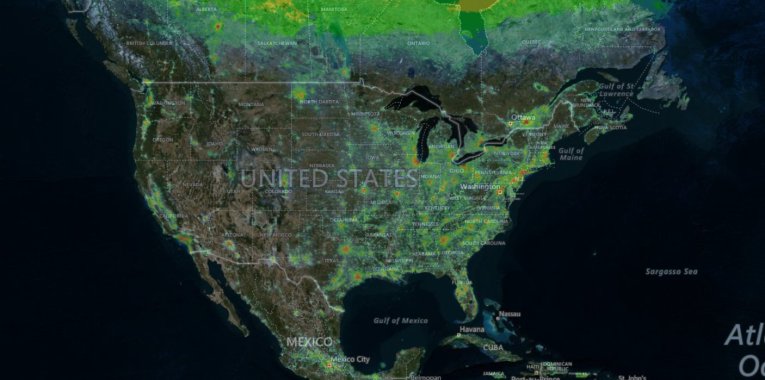






 Sustainable Ewing Green Team