Time To Get Ready, the Single-Use Plastics Ban Is Coming

We share with you the latest news release from the NJ DEP about the ban on single-use plastic products such as carryout bags and polystyrene foam food service products that will take effect in one year. We urge local businesses to prepare now for the new requirements. In fact, you don’t need to wait. You can join with our state leaders and lead the way in protecting our New Jersey environment.

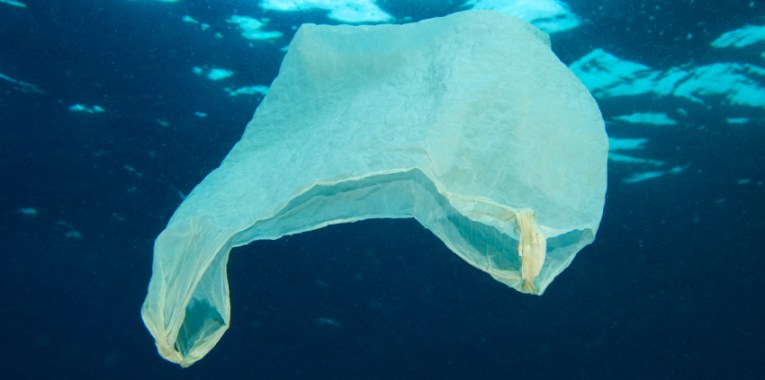
“On Nov. 4, 2020, Governor Phil Murphy signed into law P.L. 2020, c117, which prohibits the use of single-use plastic carryout bags in all stores and food service businesses statewide and single-use paper carryout bags in grocery stores that occupy at least 2,500 square feet beginning May 4, 2022. The law is designed to reduce pollution and protect New Jersey’s environment and economy for generations to come.

“With the enactment of the single-use plastic ban, New Jersey, is again leading in protecting our environment, communities, and economy,” said DEP Acting Commissioner LaTourette. “Resistant to natural degradation, single-use plastics have long littered our communities and harmed our waterways and the wildlife that depend on them. Plastic pollution also has a detrimental effect on character of our communities and damages important industries like tourism and fishing—both major contributors to New Jersey’s economy. The steps we take together to reduce plastic pollution will improve quality of life for all New Jersey residents.”

“We love New Jersey beaches, forests and waterways, and we want to protect them for current and future resident and visitors to enjoy,” Secretary Way said. “We’re here to support New Jersey’s businesses as they make the transition to reusable bags. We understand that these changes take time. We’ll be here to help business owners understand the law and answer any question they may have as we look ahead to May 2022.”

Beginning May 4, 2022, New Jersey businesses may not sell or provide single-use plastic carryout bags to their customers. Those businesses that decide to sell or provide reusable carryout bags must ensure that the bags meet the requirements as defined in the law.

The law defines reusable bags as ones that:

  • Are made of polypropylene fabric, PET non-woven fabric, nylon, cloth, hemp product, or other washable fabric; and
  • Have stitched handles; and
  • Are designed and manufactured for multiple reuses.

To help New Jersey businesses prepare, the New Jersey Business Action Center (NJBAC), part of the New Jersey Department of State, and the DEP have developed online resources. The State’s business-focused website Business.NJ.gov as well as the DEP website (www.nj.gov/dep/dshw/plastic-ban-law/) feature the latest information on the law. The business experts on the NJBAC website’s Live Chat and at 1-800-Jersey-7 are available 8am-5pm, Monday-Friday, for the information you need to comply with the new law.

Future resources for businesses on the website will include a listing of vendors who sell reusable carryout bags that meet the new requirements. In addition, the NJBAC will be conducting virtual roundtables discussing implementation of the law with Chambers of Commerce and other business organizations around the State.

Under the new law, polystyrene foam food service products and foods sold or provided in polystyrene foam food service products will also be banned as of May 4, 2022, and food service businesses will only be allowed to provide single-use plastic straws by request starting Nov. 4, 2021.

However, the following products will be exempt for an additional two years, until May 4, 2024:

  • Disposable, long-handled polystyrene foam soda spoons when required and used for thick drinks;
  • Portion cups of two ounces or less, if used for hot foods or foods requiring lids;
  • Meat and fish trays for raw or butchered meat, including poultry, or fish that is sold from a refrigerator or similar retail appliance;
  • Any food product pre-packaged by the manufacturer with a polystyrene foam food service product; and
  • Any other polystyrene foam food service product as determined necessary by the DEP.

Additional online resources for the general public may be found on the NJ Clean Communities website’s www.BagUpNJ.com and www.njclean.org.”1

https://www.state.nj.us/dep/newsrel/2021/21_0505.htm

First 2021 Ewing Township Shred Day

This Saturday, May 15th from 9 am until 1 pm, the Township will be hosting a Shred Day at the Municipal Complex located at 2 Jake Garzio Drive.

This free event is for Township residents only and provides a safe and secure way to clean out those old checks, bills and any confidential documents that need proper disposal.

Restrictions

Materials will not be accepted from businesses and Ewing residents will be required to provide Proof of Residency.

Because this is an extremely popular program please be prepared to spend a few minutes waiting in line.

COVID Precautions

For your safety and the safety of others face masks must be worn, and all citizens will be required to stay in their cars while workers remove your shredding items from your car for you. Items to be shredded should be placed in your trunk or rear cargo area. Please do not get out of your car while waiting in line or while your items are being shredded.

County Executive Hughes Announces New Electric Car Charge Stations

Good news! Mercer County Executive Brian M. Hughes announced that Mercer County has been awarded a grant of $88,000 to install EV charging stations at close to a dozen county-owned locations. Three of the locations for the new charging stations are in Ewing. We share the announcement below:

County awarded $88K DEP Pay$ to Plug grant

Ownership of electric vehicles (EVs) and plug-in hybrid electric vehicles is growing by the year, and with an eye toward that trend, Mercer County is committed to the inclusion of sustainable practices such as the support of EVs. To meet the growing need for vehicle charging stations, Mercer County Executive Brian M. Hughes announces that Mercer County has been awarded a grant of $88,000 to install EV charging stations at close to a dozen county-owned locations.

The funding comes through the N.J. Department of Environmental Protection’s Pay$ to Plug In Program, which was designed to expand the state’s growing network of electric vehicle infrastructure, allowing residents, businesses and government agencies to purchase and drive electric vehicles.

“Studies show that range anxiety, the fear that the car will somehow run out of power, is a fear that keeps consumers from investing in electric vehicles, and our goal is to expand the opportunities to charge a vehicle and further educate consumers on the environmental benefits of gasoline alternatives,” Mr. Hughes said.

The transportation sector accounts for 46 percent of the New Jersey’s net greenhouse gas emissions, making it the largest emissions source in the state, according to drivegreen.nj.gov. By installing EV charging stations on county property, Mercer County can help to slow climate change and reduce air pollution while providing an essential service for the growing number of EV drivers in the region, Mr. Hughes added.  Additionally, the number of EVs will likely increase due to the initiatives from the New Jersey State government to promote the purchasing of electric vehicles.

On recommendation of the Mercer County Planning Department, the new charging stations will be installed at (Ewing sites bolded and in green) :

  • Mercer County Administration Building, 640 South Broad St., Trenton
  • Mercer Office Park, 1440 Parkside Ave, Ewing
  • Hopewell Valley Golf Course, 114 Pennington-Hopewell Road, Hopewell
  • Mercer County Improvement Authority, 80 Hamilton Ave., Trenton
  • Mercer County Boathouse, 334 South Post Road, West Windsor
  • Mercer Oaks Golf Course, 725 Village Road West, West Windsor
  • Mountain View Golf Course, 850 Bear Tavern Road, Ewing
  • Princeton Country Club, Wheeler Way, West Windsor
  • Mercer Meadows (Hunt House), 197 Blackwell Road, Pennington
  • Mercer County Technical Schools Assunpink Center, 1085 Old Trenton Road, Hamilton
  • Mercer County Technical Schools Sypek Center, 129 Bull Run Road, Ewing

It Pay$ to Plug In provides grants to purchase, install and maintain EV charging stations in New Jersey.  Eligible costs include those necessary for and directly related to, the acquisition, installation, operation and maintenance of new EV charging stations.

Discover the Night: International Dark Sky Week 2021 – April 5 -12

Have you ever vacationed or visited a remote or rural destination and wondered why you felt particularly refreshed or rested afterwards?  Have you marveled at the starry skies and thought to yourself “Why are the stars so much brighter here?”  Have you wondered why it has become the norm to leave outdoor lights on through the night and so endanger not only our own nighttime heritage, but also cause serious environmental consequences for humans, wildlife and our planet?

Help make a difference. Turn out your lights and encourage your friends and neighbors to do the same. Join the Ewing Green Team in addressing this issue during International Dark Skies Week (April 5th – 12th) and every night and help to reclaim our nighttime heritage.

Light Pollution Matters

The nighttime environment is a crucial natural resource for all life on Earth, but the glow of uncontrolled outdoor lighting has hidden the stars, radically changing the nighttime environment.

Before the advent of electric light in the 20th century, our ancestors experienced a night sky brimming with stars that inspired science, religion, philosophy, art, and literature. (Think of van Gogh’s Starry Night.)

The common heritage of a natural night sky is rapidly becoming unknown to the newest generations. In fact, millions of children across the globe will never see the Milky Way from their own homes.

We are only just beginning to understand the negative repercussions of losing this natural resource. A growing body of research suggests that the loss of the natural nighttime environment is causing serious harm to human health and the environment.

Light Pollution Threatens Wildlife

For billions of years, life has relied on Earth’s day-night rhythm to govern life-sustaining behaviors. It’s encoded in the DNA of all plants and animals. Humans have radically disrupted this cycle by lighting up the night. Research shows that artificial light at night has negative and deadly effects on many species.

Sea turtles live in the ocean but hatch on the beach at night. Hatchlings find the sea by detecting the bright horizon over the ocean. Artificial lights can draw them away from the sea, stranding them on land. In Florida alone, millions of hatchlings die this way every year. Many insects are drawn to light, but artificial lights can create a fatal attraction. Think of the fireflies that used to dance around by the millions on lawns in our youth.  Or even the bug-splattered windshields of our cars that traversed the nights.  Where are they now? 

Declining insect populations negatively impact all species that rely on insects for food or pollination. Nocturnal mammals sleep in the day and are active at night. Light pollution disrupts their nighttime environment.

Artificial lights also endanger many bird species. They can disrupt the migratory schedules of birds causing them to leave too early or too late in the season, missing ideal conditions for nesting. Birds that navigate by moonlight and starlight can wander off course. Millions die every year by colliding into illuminated buildings.

Light Pollution Threatens Human Health

Humans are not immune to the negative effects of light in their nighttime spaces. Excessive exposure to artificial light at night, particularly blue light, has been linked to increased risks for obesity, depression, sleep disorders, diabetes and breast cancer.

Light Pollution Wastes Energy and Money

In the U.S. alone, there are about 162 million public and commercial outdoor light fixtures including

  • 45 million streetlights,
  • 52 million parking-lot lights,
  • 62 million lights on commercial buildings.

Residential outdoor lighting isn’t as bright, but there’s a lot more of it — about 1 billion light fixtures.

Lighting consumes lots of energy. In an average year in the U.S., outdoor lighting uses some 120 terawatt-hours of energy, mostly to illuminate streets and parking lots. That’s enough energy to meet New York City’s total electricity needs for 2 years! Excessive light at night causes light pollution and unnecessary greenhouse gas emissions, contributing to climate change.

So, let’s stop wasting so much energy! With so much lighting, even modest efforts to control outdoor lighting saves money, reduces carbon emissions, and helps the environment. We do need some light at night, but much of it is wasted by lights that are overly bright or left on when not needed. Unshielded fixtures waste the most energy. Their light shines upward, instead of down on the ground where it’s needed. At least 30% of outdoor light is wasted. That adds up to $3.3 billion and the release of 21 million tons of CO2 per year! To offset all that CO2, we’d have to plant 875 million trees annually.

But Don’t We Need Nighttime Lighting for Safety & Security?

There is no clear scientific evidence that increased outdoor lighting deters crime. It may make us feel safer, but it does not make us safer. The truth is bad outdoor lighting can decrease safety by making victims and property easier to see.

Glare from overly bright, unshielded lighting creates shadows in which criminals can hide. It also shines directly into our eyes, constricting our pupils. This diminishes the ability of our eyes to adapt to low-light conditions and leads to poorer nighttime vision, dangerous to motorists and pedestrians alike.

What Can Be Done?

The EGT is regularly asked: “What can I do to make a difference?” Well, here is one way that you can make a contribution.  The good news is that light pollution is reversible and its solutions are immediate, simple and cost-effective. Here are a few simple things you can do to confront the problem and take back the night:

  • Check around your home. Use only fully shielded, dark sky friendly fixtures for all outdoor lighting, so lights shine down, not up, to minimize “light trespass” beyond your property lines.
  • Use only the right amount of light needed. Too much light is wasteful, harms wildlife and creates glare.
  • Install timers and dimmer switches and turn off lights when not in use. If you must have security lighting, use motion sensors.
  • Use only lighting with a color temperature of 3000K and below. This means that there is less blue (cool) light that is more harmful to many animal species.

Check out this resource page on outdoor lighting basics.

Talk to neighbors. Explain that poorly shielded fixtures waste energy, produce glare and reduce visibility. Work with your local governments to ensure outdoor lighting isn’t harming the wildlife in your area.

Become a Citizen Scientist with Globe at Night and document light pollution in your neighborhood and share the results. Doing so, contributes to a global database of light pollution measurements.

[Resources and background materials for this article come from The International Dark Sky Association, a 501(c)(3) non-profit organization based in Tucson, Arizona. For 25 years, it has advocated for the protection of the nighttime environment and dark night skies by educating policymakers and the public about night sky conservation and promoting environmentally responsible outdoor lighting. More information about IDA and its mission may be found at http://www.darksky.org.]

Spring Clean Up: Done Sustainably | Done Right

Now that spring is finally here, we are all anxious to head back outside and get the yard in shape.  If you have read our previous posts, we’ve encouraged you to not be quite so perfect every autumn during your cleanup.  There are ecological benefits to adopting somewhat “messy” landscaping practices in the fall and providing habitat for overwintering insects and supporting wildlife while doing so.  Likewise, we encourage you to take it slow and safe during your spring garden cleanup.

So, if you resisted the urge in the fall to be overly tidy and left stalks with dried flower heads and native grasses standing over the winter, how soon is too soon to begin your spring cleanup?  

Overwintering Insects

Gardening in the wildlife garden requires a change of mindset and a bit of patience while we wait for warmer weather to allow overwintering insects a chance to wake up from their winter nap and to move on.  Lots of beneficials such as tiny native bees, parasitic wasps, lacewings, and syrphid flies have spent their winter safe in your habitat garden in your hollowed plants stems.  Cutting them down too early before they have the chance to emerge, will undo that effort.  Wait as long as you can to begin; at least for several 50° days.   Be prepared for weather fluctuations and their impact upon your habitat garden.   

Of course, the best time to remove dried stalks and grasses is before it becomes difficult to remove them without damaging new growth.  But be on the lookout for overwintering chrysalises, partially grown caterpillars curled up in leaves, or microscopic eggs on plant materials.  I remove dried flower stalks and grasses; but leave them lying about for a bit or place on top of your brush or compost pile to give insects a chance to wake up and move on.

Leaves

Raking leaves out of the beds is also a bit of a no-no as they still provide late winter/early spring protection and will break down and build up your soil.  I leave the as many of the leaves in my beds as undisturbed as possible while still being sensitive to the overall appearance of the garden, particularly near hardscaping.  The leaves in the back of the beds will remain untouched but the top loose layer of those near the front will be collected and eventually chopped up (along with those dried flower stalks and grasses) and returned as mulch to the garden in another month or so.  This is not the purist approach, but one that I can live with balancing the needs to protect wildlife while gardening in a residential neighborhood.

Pruning

Be careful with early spring pruning.  You don’t want to prune out any chrysalises or cocoons.  Leave them in place for a while.  You can always cut back later in the season.

Mulching

Be careful that you don’t mulch too soon.  Conventional garden wisdom holds that applying mulch too early, while easier, keeps the soil cooler and thus inhibits plant growth early in the season.  Those who garden for wildlife also want to wait for insects that overwinter in the soil such as hummingbird clearwing moths and many of our native bees to wake up and move on.  Mulching too early in spring may block their emergence.

Giving Perennials Time and Weeding

After that, the bones of the garden are laid bare.  Take your time with planting new plants and putting down mulch.   Let your perennials emerge lest you dig up something you’ll regret.  As the weather warms in April, it’s also a great time to tackle the weeds before they take over.  Ground Ivy, Lesser Celandine and Bishop’s Weed are thugs in my garden.  Try to get a jump on your garden thugs early.

Lawn Removal – Yes, please.

Now’s the time to plan for a new garden if you didn’t do it last fall.  I’ve about run out of lawn to remove and plant, but please do it if you can.  Lawn contributes nothing of ecological value for the wildlife garden.

Take Stock

Spring is also a great time to take stock.  What needs to be divided?  What didn’t make it?  What could be moved where?  And, of course, what can I buy?  As I am newer to gardening for wildlife, my garden still has a lot of exotics that don’t pull their weight and contribute to the food web.  Little by little I am weeding out those non-contributors and adding native plants that do more for wildlife.  If I see holes in my leaves and other imperfections, I am learning to look at them as not imperfections in an unsustainable goal, but rather as a way of providing life sustaining support for the myriad creatures in Mother Nature’s food web.   As more than half of the world’s wildlife has vanished since 1970[1], creating habitat in residential neighborhoods by gardening for wildlife is critical to our planet’s ability to support our way of life.

As I do my planning for the coming season, I need to consider those remaining non-natives in my garden that are invasive and really do need to be removed.  For example, most of us love the contrast provided by Crimson Barberry in the garden; but it is seriously invasive and really needs to go.  Something with berries perhaps to feed the birds, or a great host plant for butterflies? Look for the EGT/EEC flyer A Dirty Dozen of Invasive Species in NJ (sold commercially)  for common invasive plants and recommendations for substitutes.

For additional assistance check our EGT/EEC flyer Sustainable Spring Landscaping Tips.   We also recommend the Garden for Wildlife program of the National Wildlife Federation as a wonderful resource.  Follow their tips and certify your garden as a wildlife habitat.

The best part about gardening for wildlife is that it is supports a somewhat laid-back approach to gardening.  Sure, there are garden chores to be done; but they are not as intense and unsustainable as the scraping the ground clean each season, buying and applying mulch, fertilizing, applying pesticides, deadheading… approach.  Mother Nature will take care of a lot for us as gardeners and our native creatures if we just let her.  That works for me and, I hope, for the countless displaced wildlife that desperately need a home.

[1] Source:  Living Planet Report 2016 by World Wildlife Fund  
http://awsassets.panda.org/downloads/lpr_living_planet_report_2016.pdf