Gardening for Storm Water and Wildlife: How to Build a Rain Garden

Is water from your downspout creating a soggy place in your backyard? Has there been an increase in the number of flooding events in your neighborhood?  Did you know that studies specific to New Jersey show that rainfall intensity is likely to increase with climate change? Rain gardens can help us manage storm water runoff from rooftops, driveways, lawns, roads, and other hard surfaces.

Rain gardens look like regular perennial gardens, but they are much more. During a storm, they fill with water which slowly filters into the ground rather than running into storm sewers. By capturing storm water, rain gardens help to reduce the impact of human activities and pollution in the environment such as road sediment/salt, fertilizers, pesticides, bacteria from pet waste, eroded soil, grass clippings, litter, etc. This helps protect the health of our waterways.  Rain gardens also add beauty to neighborhood and provide wildlife habitat. 

Ewing resident Jean Graham shared her experience: “Removing a large tree to add an addition left us with rainwater washing the topsoil to the bottom of the yard. Then after the grass grew, the rainwater collected in large pools. A modest-sized rain garden takes care of the rainwater from only one of the three backyard downspouts, but that’s enough to solve the problem and to provide lovely flowers that attract butterflies and other pollinators all spring and summer. A buried pipe draws the rainwater from the downspout into the rain garden, with an outlet at the other end of the rain garden to a buried emergency overflow tank. We had the rain garden installed in October 2020.”

In this 1.5-hour evening workshop, you can learn how to plan and plant your own rain garden.  Learn about how to site it, which plants to choose and much more.  Enhance your property and your neighborhood this spring with a rain garden in your yard. 

Presenters: Kendra McKoy and Olvia Spildooren from The Watershed Institute.   Kendra is the Delaware River Advocate / Olivia is the River-Friendly Coordinator.

Date: Wednesday, April 13
Time: 7 pm
Location: Live Virtual
Cost: Free and open to the public

Please click the link below to join the webinar:
https://us02web.zoom.us/j/86595500126?pwd=amtvQkZHYmM2dFRiTTUzL1ltdGlkQT09
Passcode: 218153
Or One tap mobile :
US: +13126266799,,86595500126#,,,,*218153#  or +16465588656,,86595500126#,,,,*218153#
Or Telephone:
Dial(for higher quality, dial a number based on your current location):
US: +1 312 626 6799  or +1 646 558 8656  or +1 301 715 8592  or +1 346 248 7799  or +1 669 900 9128  or +1 253 215 8782
Webinar ID: 865 9550 0126
Passcode: 218153
International numbers available: https://us02web.zoom.us/u/kcgZIAoD1x

DIY No-Sew T-shirt Bag Workshop

You are invited to a DIY No-Sew T-shirt Bag Workshop on Monday March 21, 11:00 at the Hollowbrook Community Center, 320 Hollowbrook Dr., Ewing.

Ewing Township and the Green Team invite you to join us as we prepare for the new plastic bag ban which goes into effect on May 4.

There is no charge for this workshop, and T-shirts will be provided; however, you may bring your own if you like. A pair of sharp scissors would also be helpful.

To register, please call the ESCC office at 609-883-1776 and ask to be transferred to the Senior Center Office.

Event Summary

Title: Bag Up, Ewing Township: DIY No-Sew T-Shirt Bag Workshop
Date: Monday, March 21st
Time: 11 am
Location: Hollowbrook Community Center, 320 Hollowbrook Drive
Cost: Free and open to the public


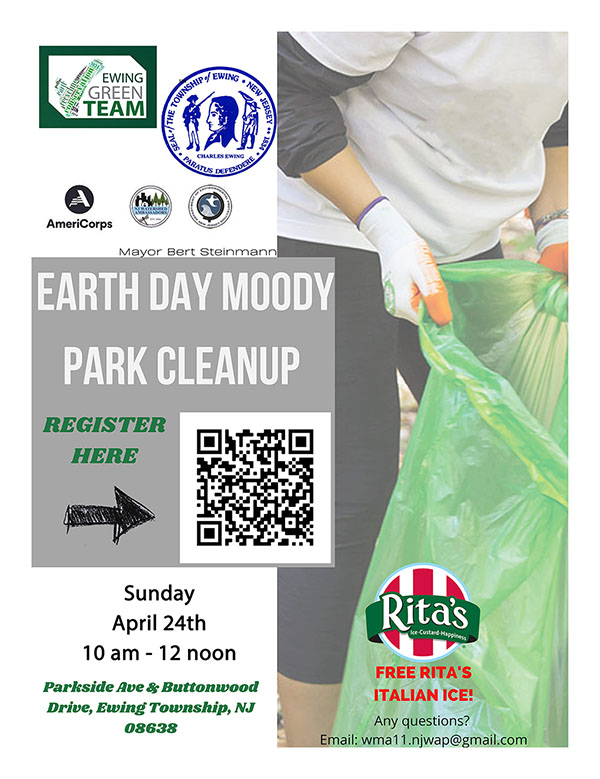
We Need You for Our Spring Stream Clean Up!

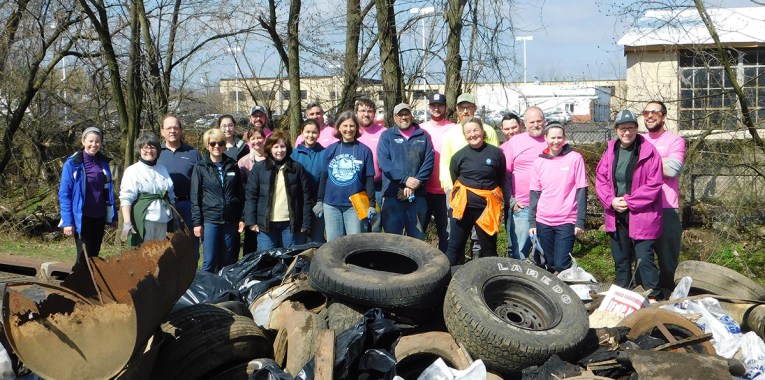
The winter has ended, and our thoughts have turned to spring, spring cleaning that is! The Ewing Green Team has once again partnered with The Watershed Institute and Mayor Bert Steinmann to host our annual spring Stream Cleanup at the Hollowbrook Community Center.

The Shabakunk Creek flows behind the Community Center, a lovely tributary of the Assunpink Creek.  From the Assunpink, the water ultimately flows to the Delaware River, the source of our drinking water. 

We invite our friends and neighbors to gather together on Saturday, April 9th to clean up our community and make our watershed a healthier and even lovelier environment.

Volunteers at these annual events sponsored by The Watershed have removed thousands of pounds of trash, helping to make our watershed healthier, protect our environment and beautify our communities! All volunteers will receive a Stream Cleanup t-shirt as a memento.

Stream Cleanup Details

Date: Saturday, April 9, 2022

Time: 9 – 11 am

Location: Hollowbrook Community Center, 320 Hollowbrook Road

Pre-registration is required to keep everyone safe and healthy.

Our cleanup is a rain or shine event. Always wear gloves (please bring your own) when picking up litter and avoid any direct contact with trash. Trash bags will be provided. Long pants and closed-toed shoes are suggested for woodier areas. The Hollowbrook grounds are often muddy closer to the creek, participants may be most comfortable wearing rain boots or similar waterproof shoes.  Don’t forget your (reusable!) water bottle.

COVID Policies

Masks and social distancing are optional.  A parent or guardian must attend with all participating children. There must be a minimum of 1 adult per 3 participating children.  The stream cleanup policies and waiver can be read here.

We look forward to spring cleaning with all of you on April 9th!

Gardening Is for the Birds

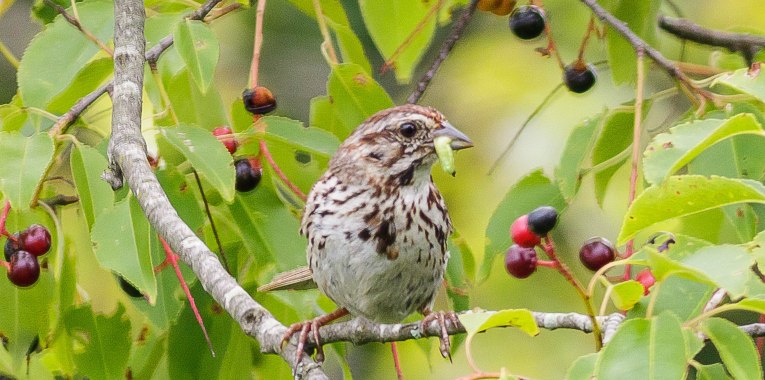
More than just bird feeders, birds need food, shelter, nesting sites and nesting materials to survive.  The Ewing Green Team is extremely excited to invite you to an introductory program on how gardeners can create a bird-friendly backyard, attracting a far wider range of species, using native plants that provide needed food and shelter. 

Gardening is for the Birds

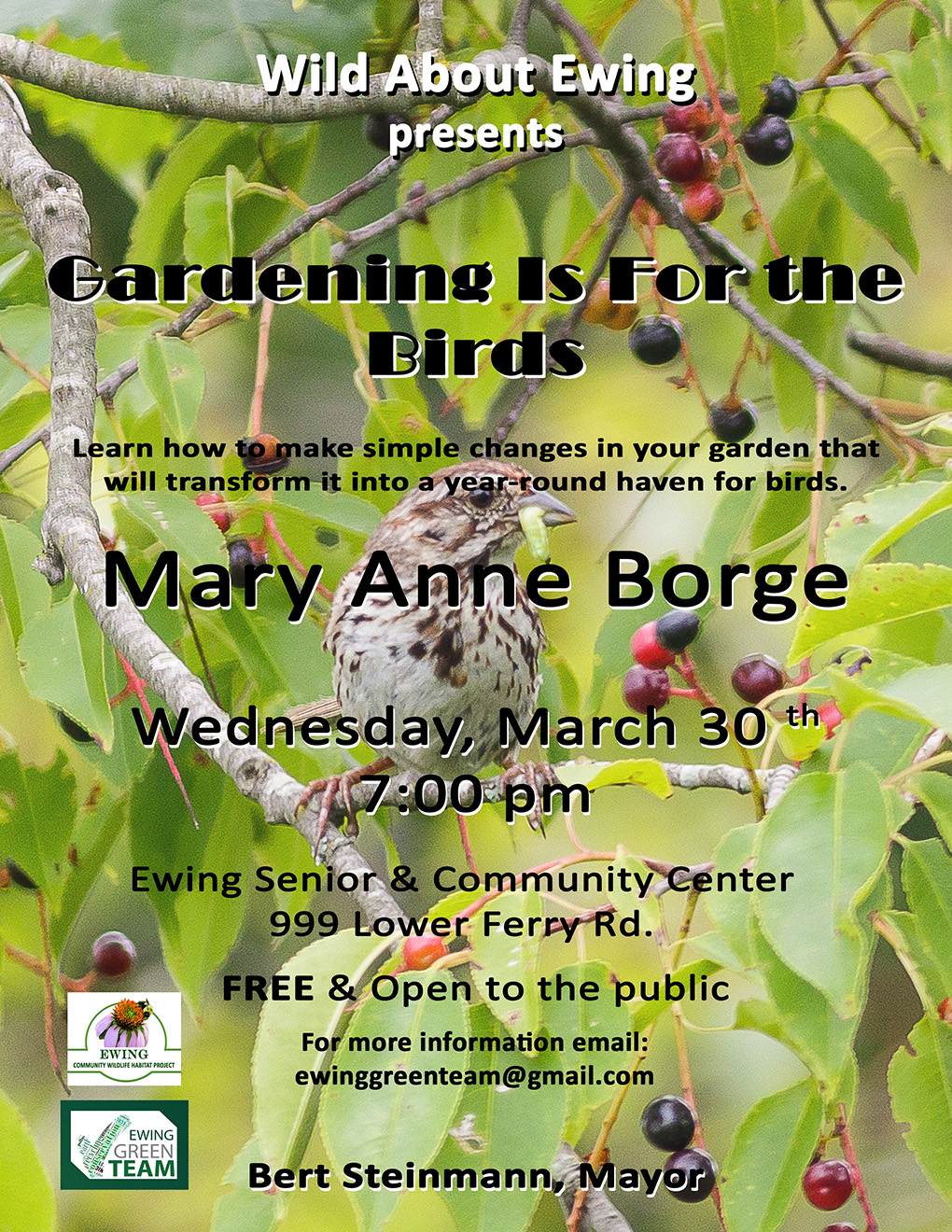
Join us for a 1 ½ hour workshop on Wednesday, March 30th at 7 pm at the Ewing Senior and Community Center (Zoom alternative may be substituted) and learn how to make simple changes in your garden that will transform it into a year-round haven for birds by providing the essential elements needed for their survival.  Mary Anne Borge, a local naturalist, writer, photographer, and educator, will tell you what you can you do to attract birds to your garden and which plants are best to entice bees, butterflies, and other beneficial insects to make their homes with you.  She will also share maintenance techniques that are the most hospitable for these garden visitors and residents.

Mary Anne Borge is the Associate Editor for Butterfly Gardener magazine, a publication of the North American Butterfly Association; an instructor and naturalist at Bowman’s Hill Wildflower Preserve in New Hope, Pennsylvania; a Pennsylvania Master Naturalist, and the team leader for Lambertville Goes Wild. Her photographs have been featured in numerous publications. She shares her love of nature through her writing and photography at the-natural-web.org.

This presentation is a part of a series of programs sponsored by the Ewing Green Team to help gardeners live more sustainably and harmoniously with nature by gardening for wildlife.  And once you’ve created a welcoming haven for local wildlife, we encourage gardeners to certify their properties with the National Wildlife Federation.  The NWF is engaged in a nationwide movement to support local wildlife and restore and reconnect America’s natural spaces through their Garden for Wildlife program.  The Ewing Green Team believes that this is a critical effort and we have enrolled Ewing in their Community Gardening for Wildlife Program.  Every Ewing garden that certifies with the program ups our point tally in the community program and moves us closer to our goal of becoming a NWF certified community. 

We hope that this will be start of a great gardening season for wildlife this spring and for the future!

Event Summary

Date: Wednesday, March 30th
Time: 7pm
Location: Ewing Senior and Community Center, 999 Lower Ferry Rd., Ewing
Cost: Free and open to the public, Masks required.
Presenter: Mary Anne Borge

The Riverside Townhomes:  An Eco-Friendly Community in Ewing

As the need to be more environmentally conscious becomes more and more apparent, Ewing’s Riverside Townhomes, a small development of townhomes off River Road, has taken conscious steps to lessen the impact that they have on the environment in their little corner of Ewing.  Their decision to “go green” has not only improved connections between neighbors in their community while making positive impacts on the local environment, but also helped them “save green” over the long term.  So how have they accomplished this? Here is an overview of their process and some green HOA practices that you can adopt in your HOA to become more eco-friendly.

It Starts with A Proposal

In March of 2021, Riverside Townhomes resident and HOA Board Member Priya Vimalassery (and Ewing Green Team member) created the attached Riverside Sustainability Proposal and presented it to the HOA Board at a meeting.  The Board was supportive and asked for volunteers to form a Green Committee.  Three community members at the meeting volunteered and, along with Priya (as the Board liaison), created the basis of the new committee.  The Riverside Green Committee has been meeting monthly ever since.  After they got started, the Board voted to formally establish the committee and its members.  Every Board meeting (every other month) the committee reports on their activities.

Their objective was thinking about and engaging in more sustainable practices in their townhouse community.  They are focused on meeting a number of the sustainability goals outlined in the Sustainability Proposal.  These included items that not only benefit the environment, but also would help the HOA save monies. 

Tree Plantings

One of the best ways to go green is to plant green – trees, that is.  Not only are they aesthetically pleasing, increase property values, and provide desired shade, the environmental benefits from trees are enormous.  They provide oxygen, remove carbon dioxide from the air, reduce storm water runoff, and support wildlife by providing food and shelter.  The Green Team also planned on replacing any lost trees with native trees and determining if there are any other areas where tree planting would be beneficial to the community aesthetic.

Native Plantings

They also have committed to incorporating native plants into common area garden beds.  This is another area where there are dual benefits.  Native plants are particularly well adapted to local environmental conditions and require far less water, saving time and money, and are more likely to thrive. They also provide vital food and habitat for various species of wildlife, including our precious pollinators that are essential for growing many crops in New Jersey.  As stated in the proposal, “if planned properly using perennial native plants, … garden beds could look beautiful with minimal maintenance while also decreasing costs.”

Sustainable Landscaping Vendor

The proposal also identified another potential money-health-environment saving strategy, committing to hire a landscaping vendor who employs sustainable practices when their current landscape contract ends, and they put the service out for bid.   These include using battery-powered equipment rather than gas-powered equipment to reduce air and noise pollution.  Someone who will forgo the application of harmful chemicals – the pesticides, herbicides, fertilizers, which are harmful to both humans and the environment.  Who also ensures the use of nontoxic mulch, as the source of wood chips used in colored bark mulch can be contaminated with toxic substances. 

The proposal further addresses the removal of fall leaves as disposing of fall leaves harms the environment and destroys wildlife habitat.  Their current plan is to take the next year to encourage residents to leave the leaves in their own yards and then attempt a community-wide adoption of leaving the leaves.

Sustainability in Decision Making

The group aims to make sustainability a priority in HOA decision making. When engaging in any community-wide project, they plan on prioritizing sustainability when considering the viability of the project and determining vendors and materials.  To that end, they also pledged to go paperless.  By using electronic methods to issue notices, communications, voting, etc. they felt they could reduce the costs and resources associated with conducting HOA business. The proposal identified another area ripe for sustainability improvements – that of sharing information.  They agreed to create an online forum to share ideas and explore community and individual homeowner sustainability initiatives such as solar panel acquisition, composting, and gardening practices.

Results that Matter

Since the Green Team inception, they have held three community litter clean ups (April 10, August 7, and October 9).  They also held two Green Committee litter clean ups, the last one being on November 21 and covering River Road from Lower to Upper Ferry Road.  In addition, Green Committee and community members pick up litter on their daily walks.  

In another step critical to environmental sustainability, they have begun incorporating native trees and plants throughout the neighborhood and refreshed their first community bed with native plants on October 17.

The Riverside Green Committee credits the HOA Board and wider community with giving them the support they needed without which they could not have made the strides made so far.  They are looking forward to continuing their efforts in 2022.

We suggest that that the process followed by the members of this community would serve as a good model for other HOAs in town to follow.  All it requires are committed residents interested in playing a role in creating a cleaner and greener HOA community and contributing to a better Ewing.   Riverside Townhomes has identified areas in which they decided to prioritize a commitment to sustainability.  So, too, could yours.  Other suggestions to add to theirs, limiting paper usage, reducing water usage, utilizing eco-friendly landscaping, could include starting a community garden, investing in solar-powered lights, using green construction, and prioritizing recycling to name just a few.

Becoming a green HOA is not necessarily easy or quick.  However, the environmental challenges that we face today call for action from everyone.  Contact the Ewing Green Team at ewinggreenteam@gmail.com if you would like some help getting started.  We encourage you to decrease your community’s ecological footprint and improve the life and health of the residents (including wildlife) of Ewing.