In celebration of the United States’ 250th birthday, the Ewing Green Team and Environmental Commission have joined forces with the Mayor and Council, local businesses, and residents, to promote an audacious and worthy goal – planting 250 new trees in Ewing!
Our ask: Give America the best birthday gift ever. Plant a tree!
We can’t do it alone. We need your help! To help us achieve our shared dream of a more beautiful, healthy, and environmentally friendly Ewing, we ask that you take a simple but important step: Plant one tree!
There are many reasons to plant a tree: trees purify the air, mitigate the effects of climate change, and prevent stormwater runoff while increasing the value of your property and beautifying your neighborhood for generations to come. In fact, studies have even shown that trees enhance your mental and physical health.
DID YOU KNOW that Ewing’s tree canopy cover is low compared to the average statewide in New Jersey? (27.4% vs. 40%)
OUR GOAL: to inspire 250+ Ewing residents, businesses, and organizations to plant or pledge to plant at least 250 trees in town. This can be on your own property or by donating to plant a tree in one of Ewing’s parks and public lands.
It will soon be peak Fall planting time and we encourage you to let us know of your tree planting plans by taking ourPLEDGE TO PLANTa tree in your yard for our 250 Tree Initiative! We urge you to join with us and make your new tree one of the official 250 Trees for America’s 250th! Just click the link to fill out our quick, simple form and become a part of our movement to plant 250 trees in Ewing.
Sign the pledgeand then let us know when you have planted your tree(s). We will provide the encouragement and the know-how: from choosing your tree, planting it, and taking care of it.
We need your help! Help us meet our goal of planting at least 250 trees before the end of 2026. Ewing businesses: look for ways that you can participate in our 250 Trees for America’s 250th Campaign coming soon. For more information email us at ewinggreenteam@gmail.com.
Additional Resources
Check out Ewing Township’s Caring for Your Trees webpage at ewingnj.org/caring-for-your-trees for detailed information. The page covers a wide variety of tree topics including regular maintenance, pruning (say no to tree topping), mulching tips (no volcanoes!), choosing your tree, and much more.
We invite you to join us on Saturday, May 17th for a 2-hour workshop to learn more about the benefits of adding a rain garden to your landscape. You will enhance its beauty, all while improving drainage, and creating a wildlife habitat.
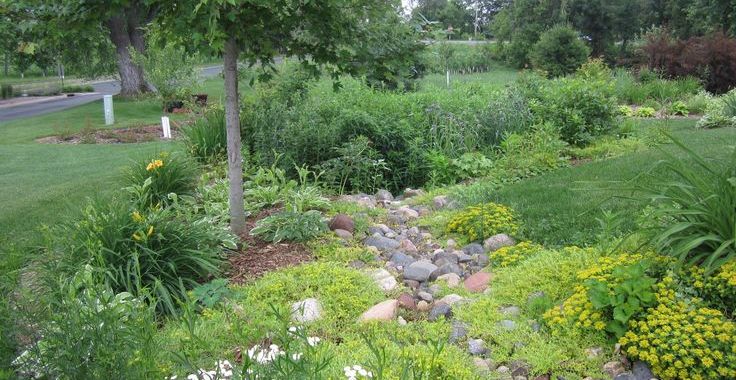
Rain gardens can help us manage storm water runoff from rooftops, driveways, lawns, roads, and other hard surfaces. They look like regular perennial gardens, but they are much more. During a storm, a rain garden fills with water, and the water slowly filters into the ground rather than running into storm sewers. By capturing storm water, rain gardens help to reduce the impact of human activities and pollution in the environment such as road sediment/salt, fertilizers, pesticides, bacteria from pet waste, eroded soil, grass clippings, litter, etc. This helps protect the health of our waterways. Rain gardens also add beauty to neighborhood and provide wildlife habitat.
In this 2-hour workshop, you can learn how to plan and plant your own rain garden, enhancing your property and your neighborhood, about the stormwater benefits of rain gardens, providing watershed-wide benefits with native plants, and go home with a plant list or draft design for your yard. Now is the perfect time to plan a rain garden for planting this spring!
Presenters: Olvia Spildooren from The Watershed Institute. Olivia is the River-Friendly Coordinator
Fill Your Landscape with Native Plants to Sustain Our Native Wildlife
April is officially Native Plant Month, and the Ewing Green Team is committed to increasing awareness of the critical role that native plants play in supporting a healthy environment and thriving wildlife populations. During this month, and every month, we encourage you to learn about the benefits to our local ecosystems gained by planting native trees, shrubs, and perennials that support bees, birds, butterflies, and all wildlife.
What could be better? Native plants are underrated beauties that, once established, weather the vicissitudes of climate change better than non-natives. They generally have deeper root systems, which can search down for water in times of drought such as we are experiencing now. They also anchor in and absorb stormwater runoff during times of excess rain, all while offering support in terms of food, cover, and shelter to our declining wildlife populations. They require fewer artificial inputs: no fertilizers, pesticides, and herbicides, no soil amendments, and limited watering. Finally, they offer a truer enjoyment of the natural world as we experience not only its beauty but also a deeper connection to nature as we observe our landscape used as habitats. We urge you to plant natives because wildlife matters and is worth protecting.
What exactly are native plants? And why are they important?
Plants are considered to be native to an area where they occurred naturally over time and developed symbiotic relationships with insects and other wildlife that have evolved with them. Since evolution is not a quick process, this means over hundreds, or even thousands, of years in a particular area or region. Only plants found in this country before European settlement are generally considered to be native to the United States. And, plants that are native to other areas of the country such as the west or northwest, California… may be native to the United States, but are not considered to native to our area in New Jersey. Some plants may have a very wide native geographic range, and others may be much more limited. When selecting plants for your garden, it is important to pay attention to their native range and to choose plants that are native to our Central Jersey area.
Did you know that New Jersey is home to over 3000 species of native plants (as defined by the New Jersey Native Plant Society), offering tremendous variety as well as diversity of habitat and sustenance to the critters that evolved alongside with them? Mercer County also has its own unique set of plants defined as native to the county.
Since New Jersey’s animals, insects, and microorganisms have evolved in conjunction with our regional gasses, ferns, wildflowers, shrubs, and trees, they have developed symbiotic relationships and depend upon each other for their survival. Our native plants will attract and feed birds, bees, butterflies, small mammals in your yard and you can feel good about sustaining the food web in the habitat they need to survive.
So, how to choose
While our NJ natives always provide sustenance for some wildlife, there are some that provide special ecosystem value for their relative biomass, supporting the greatest number of wildlife species. They are called keystone native plants and are critical to the food web, and necessary for many wildlife to complete their life cycles. Every region of the country has different native plant communities. (Here in Ewing, we are in the Eastern Temperate Forests, Ecoregion 8. )
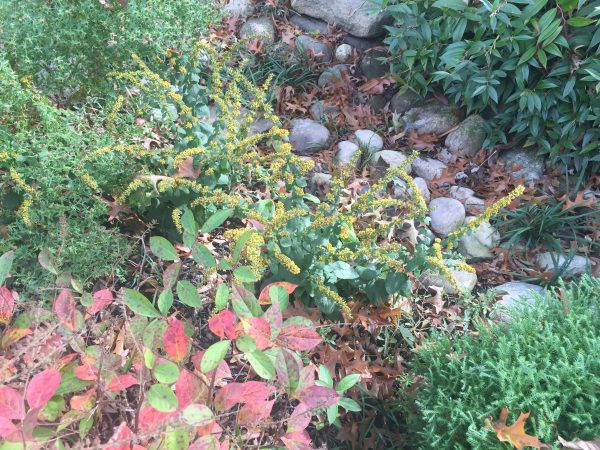
Rudbeckia and EchinaceaSolidagoAsters
If you have the room, you will get the biggest wildlife bang for your buck by planting a tree, particularly oaks. The Red oak (Quercus rubra) is NJ’s state tree and is particularly beautiful, but there are numerous oaks that are native to our state that provide great wildlife value. The Northern red oak grows up to 100 feet tall and is a good choice for a street tree because it is salt resistant. Oaks in general support over 436 species of caterpillars alone. Willows (in the shrub category) support 289 species. And then there are the flowering perennials. Top among them are the goldenrod and asters, Black-eyed Susans, and more. This author particularly loves the perennials that flower later in the season as they support butterflies and other insects as they begin their fall migrations, or prepare for the winter hibernation.
Members of the team will regale you with their favorites during the coming weeks. Through our promotion of Native Plant Month, Ewing and its citizens can engage and make a difference in our home landscapes. As invasive species overrun more and more of both our cultivated and wild spaces, native species that support local biodiversity play an increasingly important role. We ask that during Native Plant Month you start to dedicate some space, whether it be a container, your patio, or yard to make a difference and sustain our wildlife.
Ahhh, yes, it’s happening. Fall is finally here, and we can all breathe a deep sigh of relief. We are finally leaving the hot, sticky days of summer behind us for the cooler, more breathable days of fall. (Now, if only we could get some rain….) As we begin the dive into the month of October, we all remember why we so love autumn. Our neighborhood trees will soon blanket the ground with their last gift of the growing season, a recharge for our landscape that creates habitat for wildlife. The Ewing Green Team entreats all Ewing homeowners to treat their leaf litter, not as trash to be carted away, but rather as the gift that it truly is to the millions of tiny creatures that are a part of the life of our gardens.
Ewing Township New Leaf Collection Guidelines
By now we hope that you have heard about the updated leaf collection guidelines that will begin this fall for leaf pickup at the curb. Ordinance 24-19 allows a scheduled period of loose leaf collection during the months of November and December (and as needed in October and January) to simplify and expedite the process of leaf collection for residents. (Yard waste must be containerized for collection at the curb any time outside this scheduled collection window.) We will leave it to the Township to explain the basics of the new collection system, but suffice it to say, that the new system is a compromise. Allowing loose leaves in the street for very limited windows of time for pick up by DPW staff will be a major convenience for residents and will be balanced with the need help Ewing to keep our storm drains clear and improve water quality while maintaining compliance with New Jersey stormwater regulations.
The Green Team, of course, strongly encourages you to mulch your leaves, but does recognize that for some that may be impractical. However, we do want to take this opportunity to put in our annual plug about the benefits of keeping your leaf litter on site and dispensing with the piles of leaves in the street leaving your property.
Leave the Leaves
Leaves are a valuable resource that many property owners let go to waste every fall. They are blown into piles on the street and left for DPW pickup. They cause unsafe driving and biking conditions, clog storm drains, and can become a source of unwanted nutrient runoff into our streams and rivers causing unhealthy algae blooms.
As a homeowner, landscaper, or property manager, are there better options? Yes! “Leaving the Leaves” is a growing environmental movement that provides the best and simplest solution. It is easy to learn, easy to implement, gets great points for being “green,” and better yet, actually saves time and money!
The Benefits of Leaf Litter
In nature, trees don’t drop their bounty at the curb for pick up, but rather they bestow a host of ecological benefits including providing an insulating winter cover in the garden for plants and the tiny creatures that sustain life in the garden and help to conserve soil moisture. We encourage you to mulch with fallen leaves. As much as possible, leave them to decompose where they fall in your garden beds. Or settle the leaves under the branches of your trees and shrubs. Give it a year or so and your leaf litter will have broken down while providing mulch, improving your soil, and increasing its water retention abilities.
You can also rake out some of the leaves from the beds that might smother tender plants and cause them to rot over the winter. One option here is to add them to the compost pile. A second option is to add them to the leaf pile on the lawn. Then take your mulching mower and chop them up into small pieces. Rake up most of the chopped leaves and place them back in the garden around shrubs and plants. Now that they are greatly reduced in volume, they contribute to a neater appearance. The remainder can stay on your lawn and decompose there. Do this as needed until the end of the season and the leaves will break down over the winter.
While the option of mowing your leaves into mulch is not optimal and destroys some of the small critters that overwinter there, it is a far superior option to carting ones leaves to the curb where they provide no benefit at all to your landscape.
You might think that this leaves the yard looking a little less than perfect, however you are nourishing the landscape.
The Benefit of Providing Habitat
This somewhat messy yard contributes yet another important benefit – habitat. While habitat is not a traditional concern of the average gardener, we believe it should be, and more and more gardeners are coming to realize it. Did you know that despite its not so perfect look, leaf litter provides an important foraging space and shelter for a wide variety of birds, small mammals, and insects? Also providing benefit is the untrimmed winter garden where ladybugs and lacewings reside in native grasses and pollinating bees settle in hollow plant stems. Butterflies and moths winter in chrysalides on the ground and baby spiders hide out amid the decaying plant stems. Birds feed from dried seed heads in winter.
Some wildlife uses the leaf litter and other dead vegetation to insulate them from winter’s chill, while others, such as earthworms feed on the litter, breaking it into smaller pieces. Bacteria and fungi in turn convert theses smaller pieces into nutrients which then sustain neighboring plants. They in turn help support biodiversity by becoming food themselves. Toads, beetles, ladybugs and much more also live in your backyard’s leaf litter. Each is an integral part of the food web.
Support Wildlife Thru Your Not So Perfect Yard
We recommend the following practices to help you in your quest to provide habitat and reduce your ecological impact. Adopting good practices in the fall also leaves you well set for spring in the garden.
Leave your leaves on the property. Leave them in the garden beds when you can, mow them, or compost them.
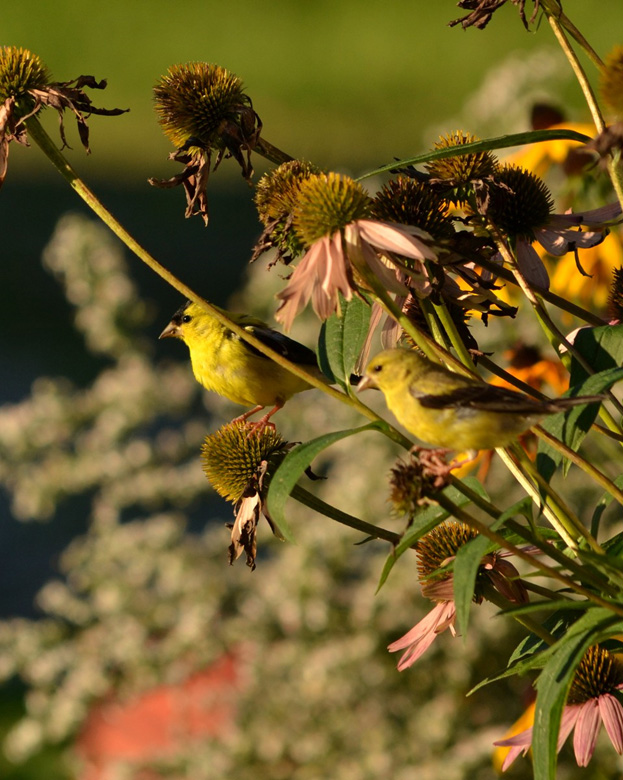
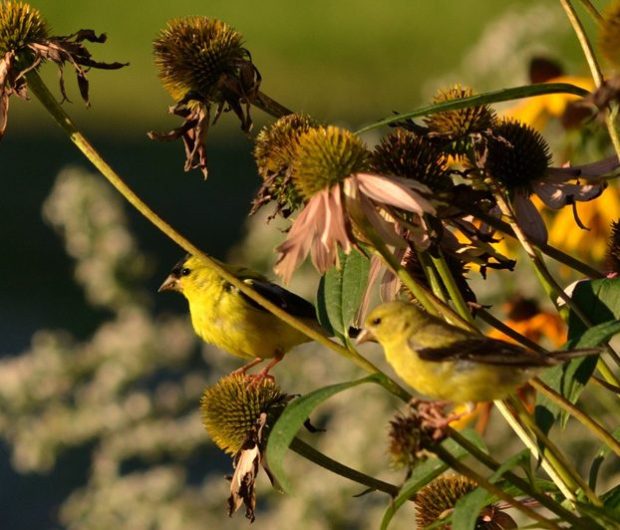
Allow dried flower heads of some of your garden favorites to stay standing in your garden as a food resource. The dark stems and flower heads of some of our native flowers look gorgeous against the snow and nothing is more exciting than seeing our small, winged friends feasting upon the seed heads.
Don’t cut down your native ornamental grasses. Let them grow tall and seed. They provide shelter for the insects that pollinate our gardens and feed fledgling birds and other wildlife. Not to mention that they also look fabulous swaying in the wind. They make a fabulous addition to the fall and winter landscape.
Build a brush pile with fallen branches instead of removing them. If you build it, they will come. This author no sooner established a small brush pile in a back corner in the yard and it was inhabited.
Forget the chemicals. (This one is not hard. Just do it!) They flow from our properties during rain events and end up in our water supply.
Finally, don’t be in a rush to begin your garden cleanup in the spring. Wait until after several 50℉ days to begin, when spring has really arrived, allowing overwintering pollinators to move on first. You gave them a home all winter; don’t take it away from them too soon.
Vanishing Habitat
As habitat for wildlife decreases, the wildlife it supports does also. More than half the world’s wildlife has vanished since 1970. This includes mammals, birds, reptiles, amphibians, and fish.
Wildlife needs habitat to survive, and we need to do a better job balancing the need to provide habitat for animals’ survival against commercial forces. Habitat requires food, water, and shelter and even a small yard can support birds, butterflies, beneficial insects, and small animals thru proper landscaping and landscaping habits.
We ask you to adopt a somewhat messy yard and eschew the leaf disposal. Keep your leaves so that they can decompose naturally in your own yard and support the butterflies and other small insects that live in the leaf litter. To learn more about how the Ewing Green Team is promoting gardening for wildlife, take a look at our initiative – the Ewing Community Wildlife Habitat Project. During this season of renewal so essential to preserving the next generation of wildlife, we invite you to join with us and pledge to garden messy. Then put your feet up and enjoy the season.
Every garden matters and can make a difference in our world of threatened ecosystems and loss of biodiversity. The Ewing Green Team created “Wild About Ewing” in 2018, an initiative in pursuit of certifying Ewing gardens with the National Wildlife Federation to support wildlife. Through this program, the Green Team encourages all Ewingites to create gardens that are more than just personal sanctuaries, but also refuges for birds, bees, toads, frogs, and many other small creatures with whom we share this world. Refuges where they can find a home that offers food, water, cover, a place to rear their young. Places that are free of unhealthy chemicals. If you are doing this, you are gardening for wildlife.
During National Pollinator Week we are reminded of the need to provide food and habitat for our threatened pollinators. These include bees, butterflies, beetles, moths, wasps, flies, and even the birds, mammals, amphibians and reptiles that also assist with pollination chores. This need is critical because of the essential role these pollinators play in producing many crops. The sharp decline in their numbers is due to habitat loss, pesticide use, and climate change.
Things You Can Do for Pollinators
Plant native plants (trees, shrubs, perennials, ground coves…) for pollinators. Use plants that provide nectar and pollen sources.
Eliminate or reduce the use of pesticides.
Provide a water source. Wildlife needs clean water to survive. It need not be large. Backyard ponds, bird baths, and puddles have immense value to creatures always looking for a clean, reliable source of water.
Plan out your garden to establish continuous bloom throughout the growing season so that there is food throughout the growing season.
Help pollinators to find your garden by creating large swaths of color of native or non-invasive plants.
Plant true native species. Avoid cultivars as they are bred for our pleasure, not that of our pollinators and other insect friends. Changing a native plant’s bloom period, color, fragrance, or flower shape could have serious detrimental effects on the hummingbirds, bees, butterflies, and other wildlife that may use that plant. Cultivars also lack the genetic diversity that will enable them to best adapt to changing environmental conditions.
Harsh weather and predators are constant threats to wildlife. Cover, such as rock or brush piles, evergreens, snags, and even man-made birdhouses and butterfly houses, all provide needed protection and places to nest. Pollinators and wildlife need wild areas.
If you too are alarmed about the extent of this crisis, we invite you to join us in being “Wild About Ewing” and gardening for pollinators this week and every week. To learn more, you can contact the Green Team at ewinggreenteam@gmail.com.








 Sustainable Ewing Green Team