From the EGT’s Sustainable Landscaping Series, “The Ecological Benefits of the Not So Perfect Yard”
Bad Habit #9 – Not Being Waterwise
As our drought across great swaths of our country last summer makes clear, water conservation efforts are critical. We frequently go from one extreme to another: either too much or not enough. Acres of water guzzling lawn, non-native plant species, inappropriate watering habits, all contribute to water scarcity issues. Excessive impervious cover contributes to stormwater runoff which leads to water pollution and undercharged groundwater tables.
KICK THE HABIT
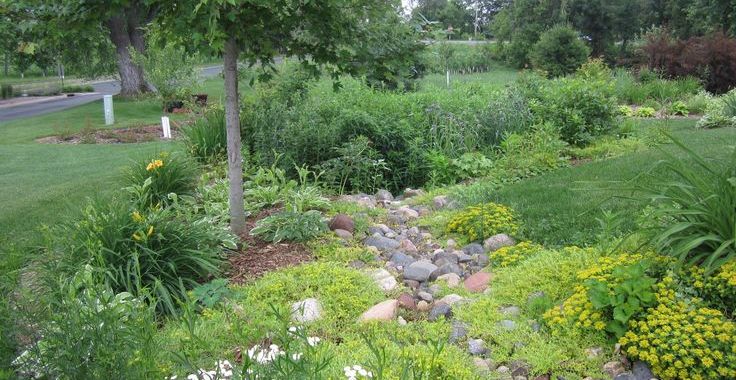
Reduce storm water runoff and keep our waters clean with the installation of green infrastructure including reducing impervious surfaces, grading all areas away from your house at a gentle slope, and capturing rainwater on site by installing rain gardens/barrels. Your goal should be to keep as much rainwater on site as possible.
Remove as much lawn as possible and replace it with gardens filled with native plants. Irrigate only when necessary but do keep in mind that even native plants need supplemental water as they get established (during the first 2 years). Be sure to mulch properly but remember that green mulch is the best mulch. Choose the right plant for the right place, matching your planting choice with the site conditions.
RESOURCES
- Rutgers Rain Garden Manual – step-by-step procedure you need to create a beautiful and sustainable rain garden landscape on your property. http://water.rutgers.edu/Rain_Gardens/RGWebsite/RainGardenManualofNJ.html
- Rutgers Build a Rain Barrel – instructions – http://water.rutgers.edu/Stormwater_Management/rainbarrelbrochure.pdf
- Rutgers Green Infrastructure Guidance Manual – http://water.rutgers.edu/Green_Infrastructure_Guidance_Manual/2015-03-31_Manual.compressed.pdf
- Watering Tips from the EPA – Tips from timing to irrigation efficiency. https://www.epa.gov/watersense/watering-tips
- What to Plant – From the EPA – choose plants that are defined as low water use or drought tolerant for your area. These plant species will be able to survive in your climate with minimal, if any, need for supplemental watering once established.
- Lawns – Natural Lawn Care Tips from the EPA – https://archive.epa.gov/wastes/conserve/tools/greenscapes/web/html/owners.html#natural
- What to Plant – From the EPA – https://www.epa.gov/watersense/what-plant
- Jersey Friendly Yards – filled with great resources for environmentally friendly yard management.
 Sustainable Ewing Green Team